
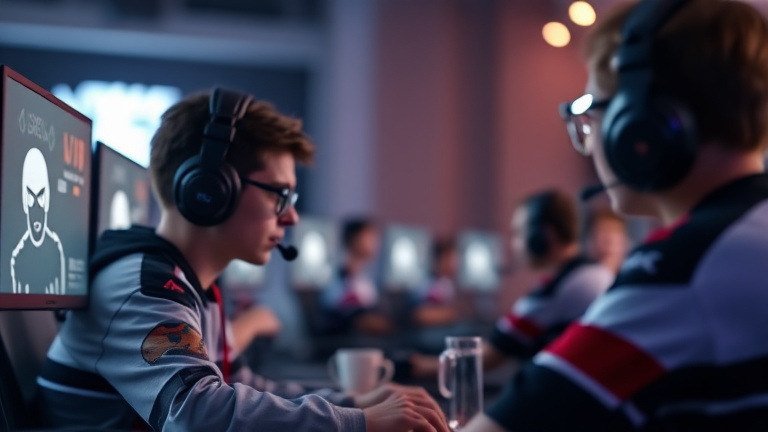
The esports industry is making meaningful progress toward professional health. Top esports companies are now launching comprehensive mental health support programs, understanding the high-stress environment esports competition places on professionals. These programs include professional counseling, stress management resources, and peer support networks tailored to esports competitors. As the industry develops, emphasizing mental wellbeing combined with athletic conditioning has become critical. This article explores how major esports companies are transforming athlete support and setting new standards for player health in competitive gaming.
Industry Awareness of Mental Health Issues
The esports industry has experienced substantial transformation in acknowledging mental health as a vital aspect of competitor success and wellbeing. For years, competitive gaming was largely focused on mechanical skill and strategic gameplay, with little emphasis placed to the psychological demands placed on professional players. However, growing documentation of burnout, stress, and mental health issues among esports athletes has caused major organizations to evaluate their methods. This shift signifies a development of the industry, transcending the perception that mental health concerns are only private problems to acknowledging them as legitimate occupational hazards that need formal assistance and support.
The esports competitive environment introduces psychological unique stressors that distinguish it from conventional athletic competition. Players face significant pressure from global audiences, relentless practice schedules, and the ongoing risk of career obsolescence due to quickly changing game metas. The youth composition of many esports professionals compounds these challenges, as many players are continuing to develop emotional regulation skills while managing the demands of competitive play. Lack of sleep, professional loneliness, and financial instability further contribute to mental health vulnerabilities. Recognizing these complex issues, major organizations have begun implementing robust mental wellness frameworks to address the root causes of player distress.
Key stakeholders now understand that supporting player psychological wellbeing significantly impacts improved performance, stronger team dynamics, and organizational longevity. By prioritizing psychological wellbeing in conjunction with physical training, organizations attract top talent and keep seasoned professionals who might otherwise pursue other opportunities. This acknowledgment has sparked the development of targeted psychological support initiatives tailored to competitive gaming demands. Major organizations are collaborating with psychological experts to develop research-backed solutions, demonstrating that the industry is committed to sustainable player development and setting higher benchmarks for athlete care in competitive gaming.
Comprehensive Support Initiatives
Major esports organizations are implementing comprehensive mental health initiatives that address the unique psychological demands of professional esports. These broad-based programs extend past standard employee assistance offerings, offering customized assistance that accounts for the unique pressures competitive players encounter. By combining therapy, wellness resources, and peer support networks, companies are establishing integrated support structures meant to enhance lasting mental wellbeing and professional longevity for their players.
Expert Counseling Support
Major esports teams are partnering with qualified mental health experts who focus on athlete psychology and gaming-related stress. These counselors deliver one-on-one counseling sessions targeting performance anxiety, fatigue, and personal challenges impacting players’ mental health. Organizations are guaranteeing privacy and access, making available in-person and online options to support players’ busy schedules and different regions throughout the world.
The inclusion of sports psychologists into esports organizations represents a notable change in industry standards. These specialists help players strengthen emotional strength, manage performance stress, and preserve proper balance between work and personal life. By addressing psychological well-being with the same importance as physical training, teams are lowering prejudice and motivating athletes to seek support voluntarily during difficult times.
Wellness Programs and Resources
Esports organizations are launching extensive wellness strategies that tackle physical health, sleep quality, nutrition, and stress management. These programs recognize that mental health is interconnected with overall lifestyle factors. Players get support on establishing healthy routines, controlling device usage, and keeping up with fitness that enhance cognitive function and emotional resilience during demanding competitive periods.
Educational seminars featuring digital resources enable players with actionable resources for emotional well-being. Organizations deliver access to meditation software, stress-reduction techniques, and sleep optimization strategies specifically designed for esports professionals. These materials are accessible whenever needed, enabling players to develop individualized wellness plans that align with their unique circumstances and availability.
- Meditation and mindfulness workshops for stress management strategies
- Dietary guidance and meal planning specific to gaming performance
- Sleep improvement programs addressing sleep cycle management
- Training regimens designed for esports athletes and athletic development
- Peer support groups building community and shared experiences
Impact and Future Prospects
The rollout of mental health support programs by major esports organizations is already demonstrating significant positive outcomes for athlete wellness and competitive results. Initial findings suggests that athletes with access to counseling and stress management resources demonstrate better concentration, decreased worry, and improved general wellbeing. These programs are creating a transformation in competitive gaming, encouraging open dialogue about psychological wellness and lowering social stigma. As further teams embrace equivalent strategies, the ripple effect is motivating smaller teams and emerging players to prioritize psychological support, building a comprehensive framework to esports competition that emphasizes psychological strength and technical ability.
Looking ahead, the outlook of esports mental health support seems increasingly promising and comprehensive. Industry experts forecast that mental health services will become common practice rather than optional amenities, integrated into player agreements and organizational budgets. Emerging technologies such as AI-powered stress monitoring and virtual reality therapy sessions may improve support accessibility. Additionally, partnerships among esports organizations, sports mental health professionals, and academic organizations will likely advance innovation and research in this field. As the industry matures, mental health support programs will play a crucial role in attracting talent, enhancing player retention, and positioning esports as a legitimate, player-centric competitive environment.
